



 Trekfit
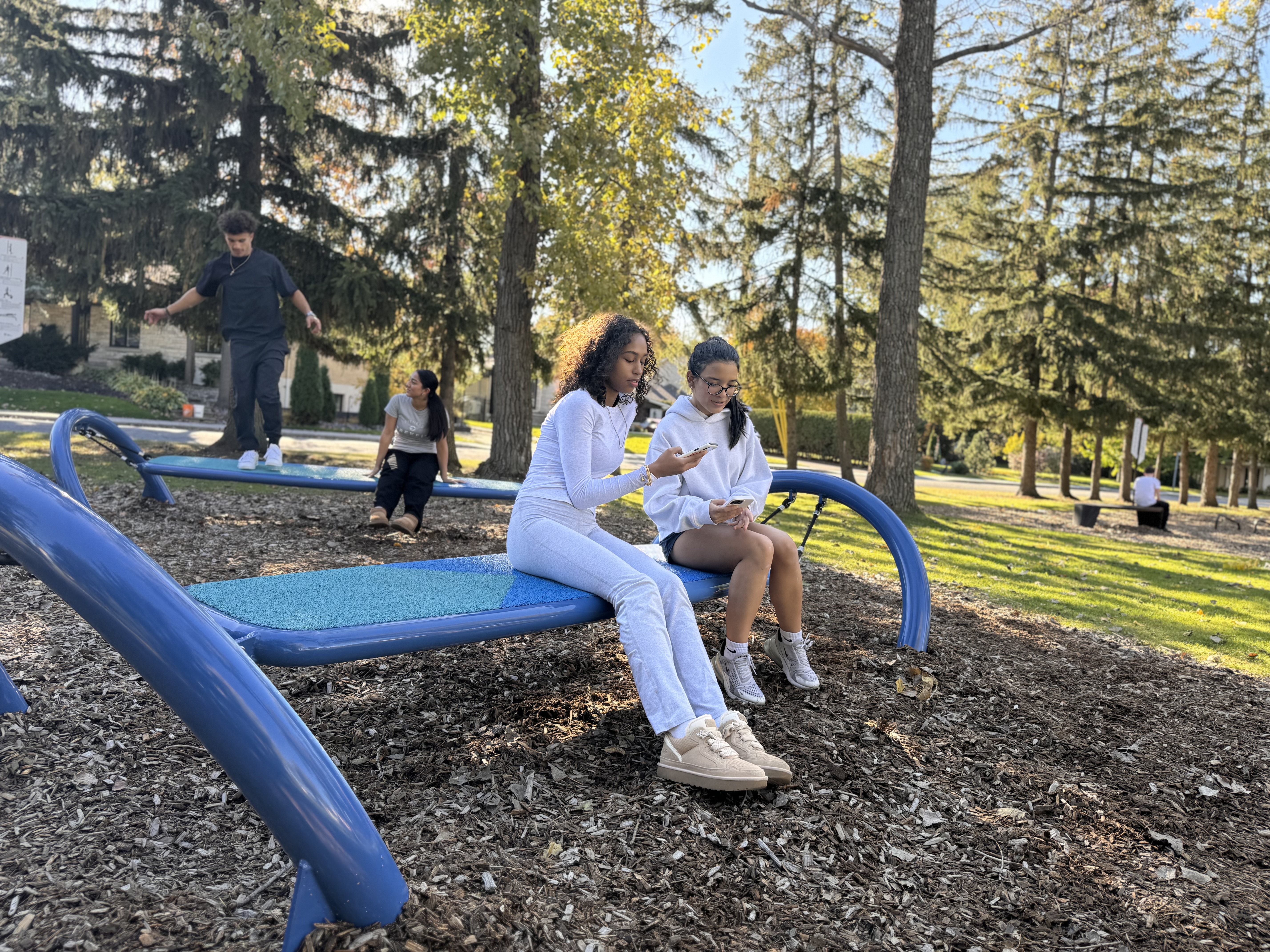
Teenagers have long been one of the most overlooked age groups in public park design.
While cities invest heavily in playgrounds for young children and sports facilities for organized athletics, many parks fail to address the everyday needs of teens. As a result, adolescents often feel disconnected from public spaces, not because they do not want to use them, but because parks are rarely designed around how teenagers actually socialize, move, and spend their time.
For today’s teens, public parks are about far more than physical activity alone. Parks serve as places to meet friends, build identity, relax, explore independence, and escape from screens and structured routines. Unlike younger children, teenagers are looking for spaces that offer freedom, flexibility, and social interaction rather than highly programmed play.
However, boys and girls often experience parks differently.
Teen boys
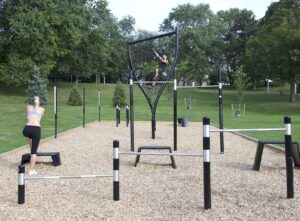
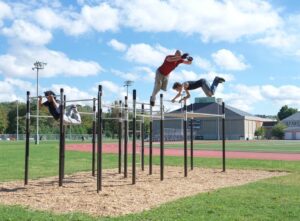
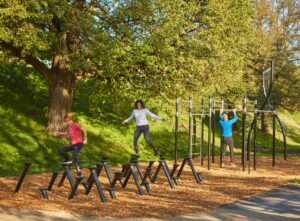
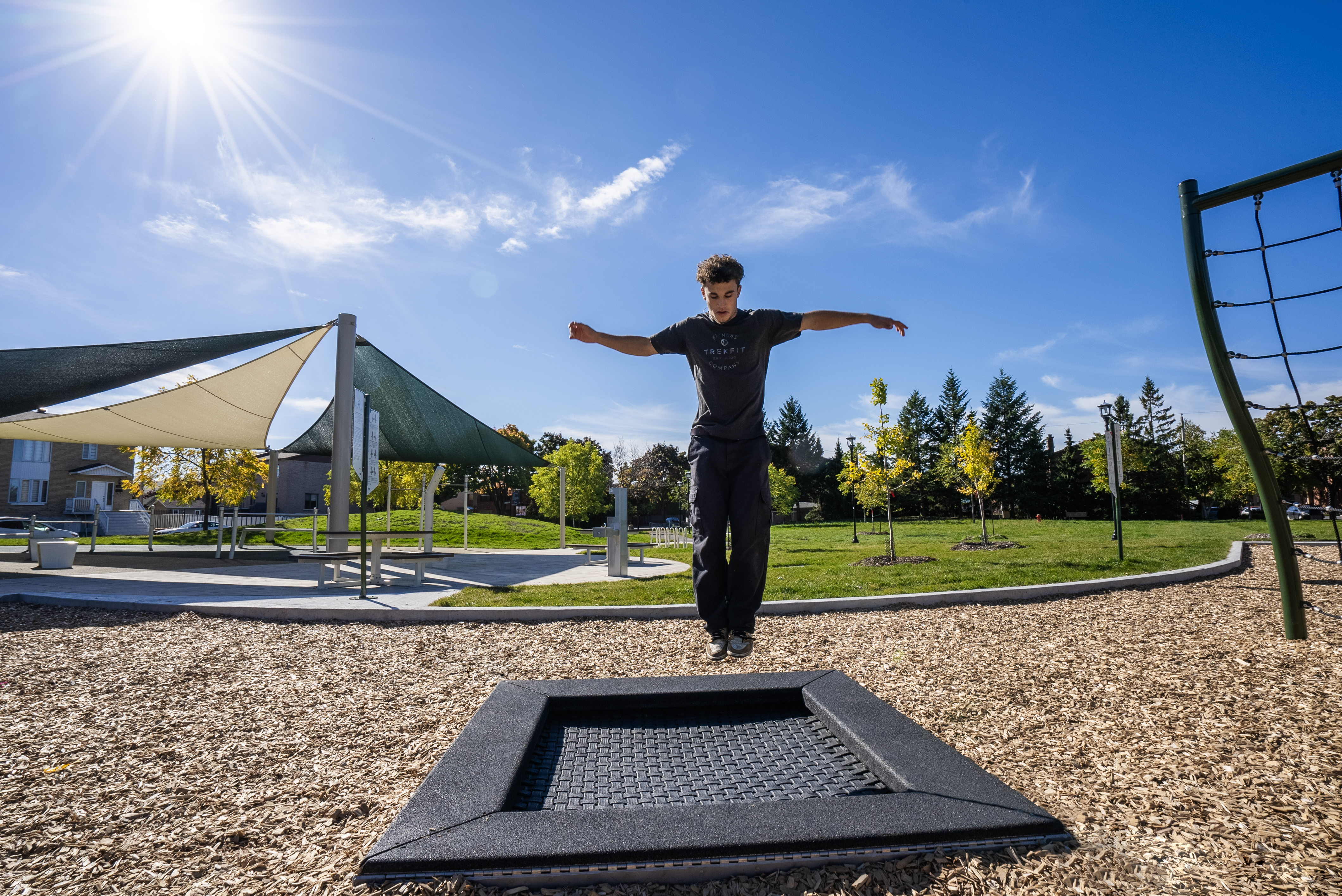
They are generally more drawn to competitive and high-energy activities. Basketball courts, skateparks, parkour spaces, and obstacle courses tend to attract boys because they provide opportunities for challenge, performance, and social status within peer groups. These environments often become gathering spaces where boys can test physical abilities, compete with friends, and spend long periods of time together outdoors.
At the same time, many teen boys also seek informal social spaces. Not every teenager wants organized sports or intense competition. Many boys simply want places where they can hang out, move casually, and interact socially without pressure. Parks that only offer structured sports often fail to serve the broader teenage population.
Teen girls
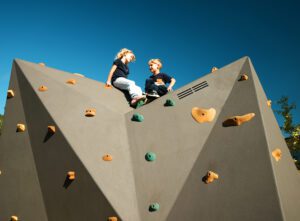
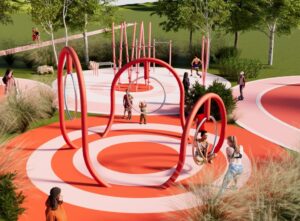
They are often more sensitive to the social atmosphere of public spaces. Research from Make Space for Girls shows that many girls stop using parks during adolescence because they feel excluded, uncomfortable, or intimidated in male-dominated environments. Girls are more likely to value spaces that feel safe, welcoming, social, and flexible. Comfortable seating, visible pathways, lighting, swings, climbing elements, hammocks, and areas for conversation are often more appealing than large competitive sports zones alone.
Despite these differences, boys and girls share many of the same core needs. Teenagers want parks where they feel a sense of belonging. They want spaces that support social interaction, freedom of movement, and opportunities for self-expression. Most importantly, they want environments that feel designed for them rather than spaces where they are treated as an afterthought.
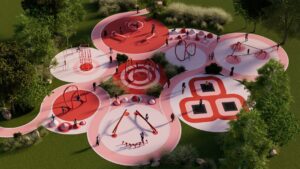
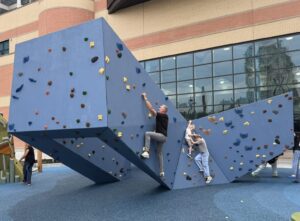
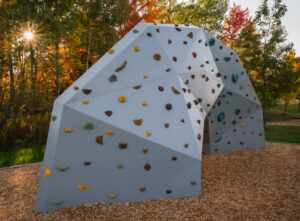
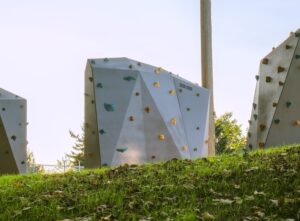
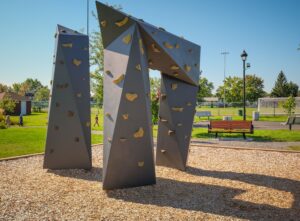
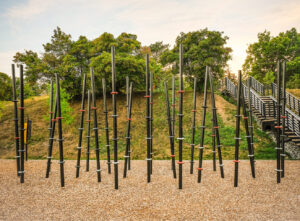
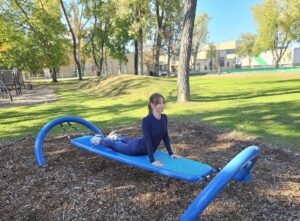
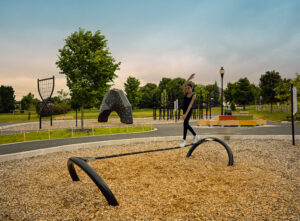
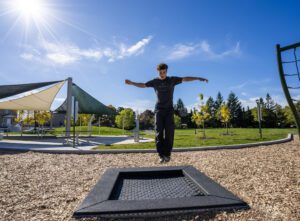
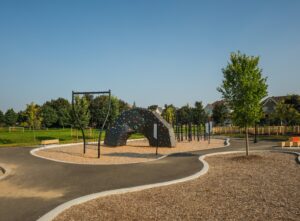
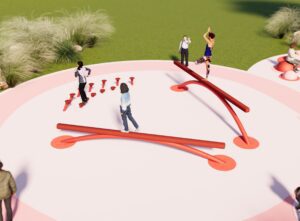
For landscape architects and municipalities, this requires a major shift in design thinking. Successful teen parks should move beyond the traditional model of a single basketball court or skatepark surrounded by empty open space. Instead, parks should include a variety of interconnected zones that support different moods and behaviors. Social hubs, fitness loops, climbing structures, obstacle elements, shaded seating, open lawns, and retreat spaces can work together to create environments that appeal to a wider range of teens.
Flexibility is key. Teenagers use spaces creatively and often in ways adults do not predict. Parks that allow casual movement, social gathering, and low-pressure activity tend to attract longer visits and more diverse users.
The future of public parks is not about designing for boys or girls separately. It is about creating inclusive environments where all teenagers can feel comfortable, active, social, and connected to their community.
Want to learn more?