



 Trekfit
For decades, public parks have been designed around traditional sports and highly competitive activities.
Basketball courts, skateparks, and soccer fields often dominate public spaces. While these amenities are important, they do not always reflect how teen girls want to use parks.
As a result, many girls gradually stop visiting public spaces during adolescence, not because they dislike parks, but because they no longer feel that those spaces were designed for them.
Research from organizations like Make Space for Girls highlights a growing issue in park design: teenage girls are often overlooked in the planning process. Many girls describe parks as intimidating, overly competitive, or socially uncomfortable. Large open sports areas are frequently dominated by boys, leaving little room for girls to socialize, relax, or participate comfortably. In many cases, girls feel like visitors in spaces that were never truly created with their needs in mind.
What teen girls want from public parks is often very different from what municipalities traditionally build. While physical activity remains important, girls are generally more interested in social and flexible experiences rather than competitive performance. They want spaces where they can move casually, spend time with friends, feel safe, and express themselves without pressure or judgment.
Social interaction
Social interaction is one of the most important aspects of park use for teenage girls.
Think about:
- Hammocks,
- Swings,
- Shaded gathering areas,
- Comfortable hangout zones.
Girls often prefer environments that allow them to talk, observe, and participate at their own pace rather than spaces centered around organized sports.
Safety
Safety also plays a critical role. Many girls avoid parks that feel isolated, poorly lit, or dominated by one group of users.
Think about:
- Clear sightlines,
- Multiple entrances,
- Lighting,
- Visible pathways,
- Active social spaces.
A park that feels welcoming and easy to navigate is far more likely to attract teenage girls than one that feels hidden or territorial.
Flexibility
Another key factor is flexibility. Girls are often drawn to activities that combine movement with social interaction.
Think about:
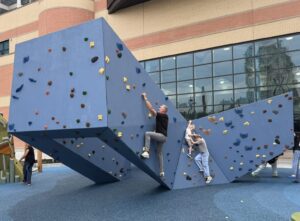
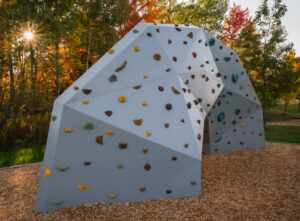
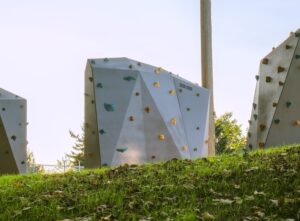
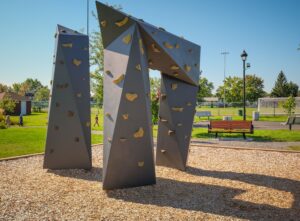
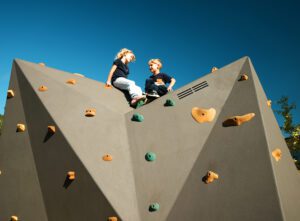
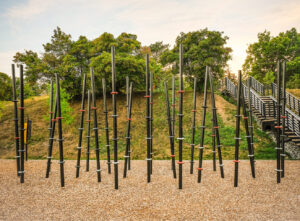
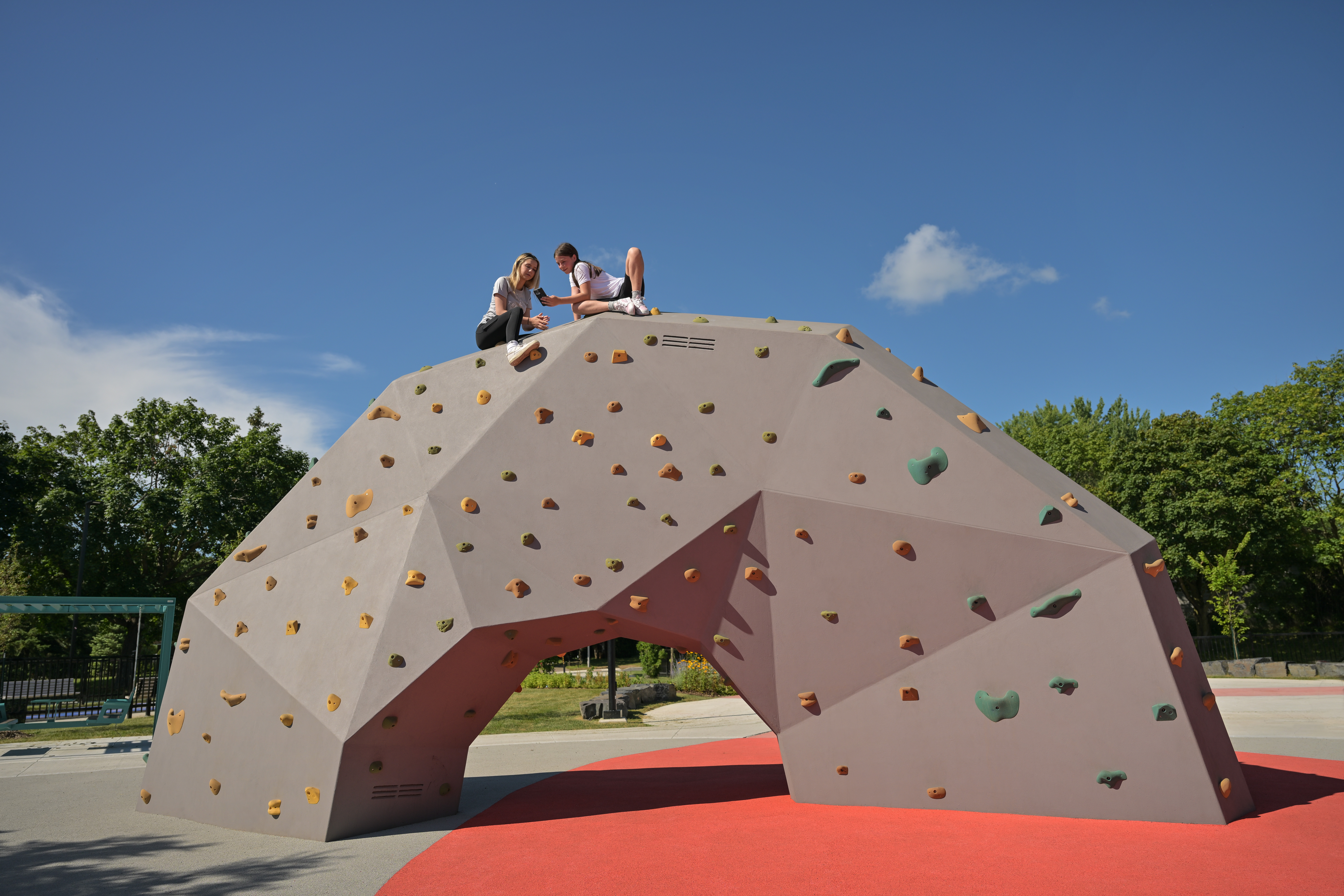
- Climbing structures,
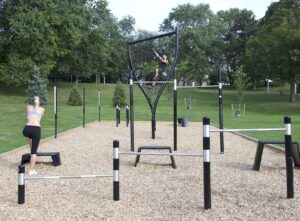
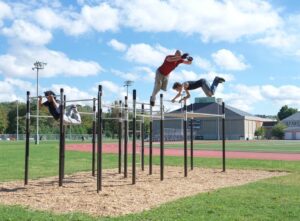
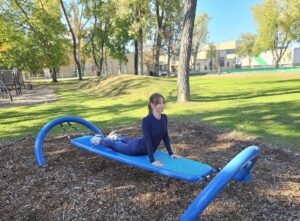
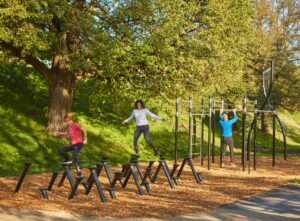
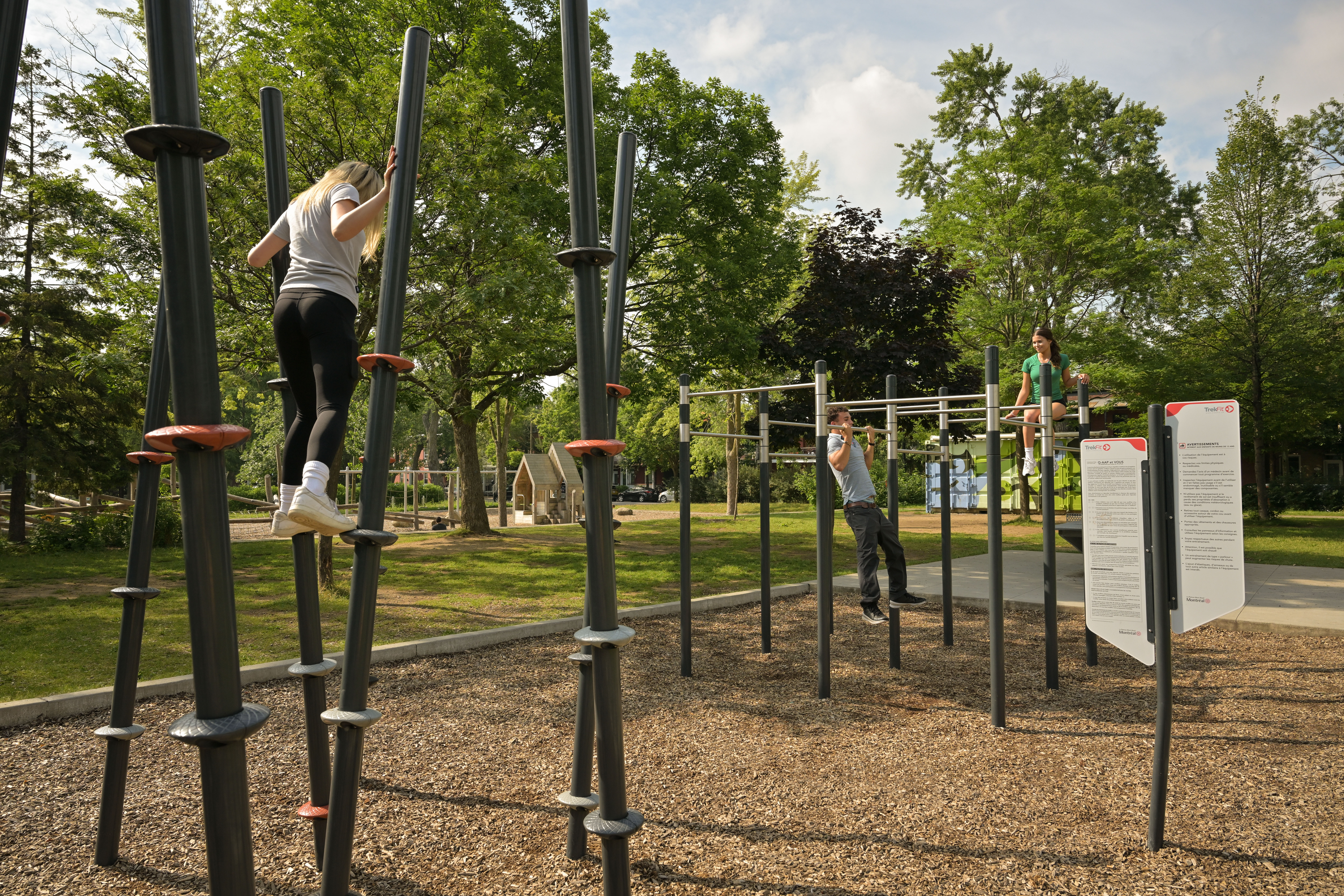
- Outdoor fitness equipment,
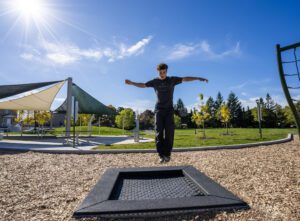
- Obstacle elements,
- Swings,
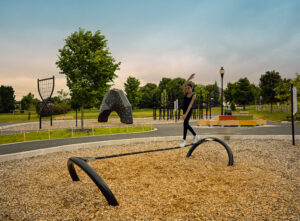
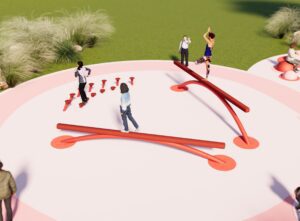
- Balance features,
- Boulders,
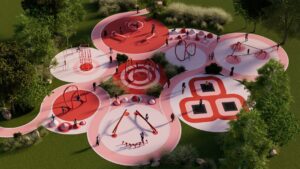
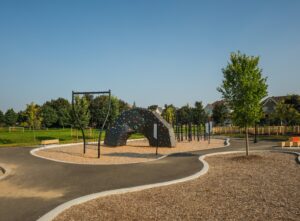
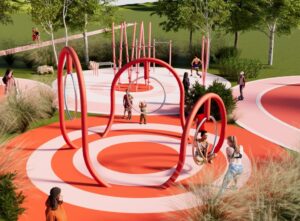
- Looping pathways.
These spaces allow girls to challenge themselves, interact with friends, and use the park in their own way.
What does it mean for Landscape Architects
For landscape architects, this represents an important shift in thinking. Designing successful parks for teenage girls is not about adding “pink” features or creating separate spaces. It is about designing environments that prioritize inclusion, comfort, social connection, and freedom of use.
The most successful parks of the future will move beyond single-purpose sports spaces and evolve into multi-zone environments where different types of users can coexist.
Instead of one dominant feature, parks should offer a mix of active zones, quiet retreat areas, social hubs, and flexible movement spaces. Most importantly, landscape architects should involve teenage girls directly in the design process. Listening to how girls experience public spaces is the only way to create parks that truly respond to their needs.
When parks are designed with girls in mind, the result benefits everyone. These spaces become more welcoming, more social, and more vibrant for entire communities. The goal is no longer simply to build parks that people visit, but to create parks where teenage girls feel they belong.
Want to learn more?